
The Tesla Cybertruck arrived as one of the most polarizing vehicles in modern history. Its sharp, stainless-steel body, angular design, and science-fiction appearance made it instantly recognizable. Love it or hate it, almost no one ignored it.
Now the truck’s production run is coming to an end. In early November 2026, Elon Musk announced that Tesla will wind down Cybertruck production at Gigafactory Texas around mid-to-late summer 2027. The factory space will be used to increase output of the Cybercab, Tesla’s purpose-built robotaxi.TechCrunch
Why the Cybertruck was unique
Few production vehicles have ever looked or been built like the Cybertruck. Instead of traditional stamped body panels and paint, it uses a stainless-steel exoskeleton. The design prioritized toughness and a distinctive aesthetic over conventional aerodynamics and ease of manufacturing.
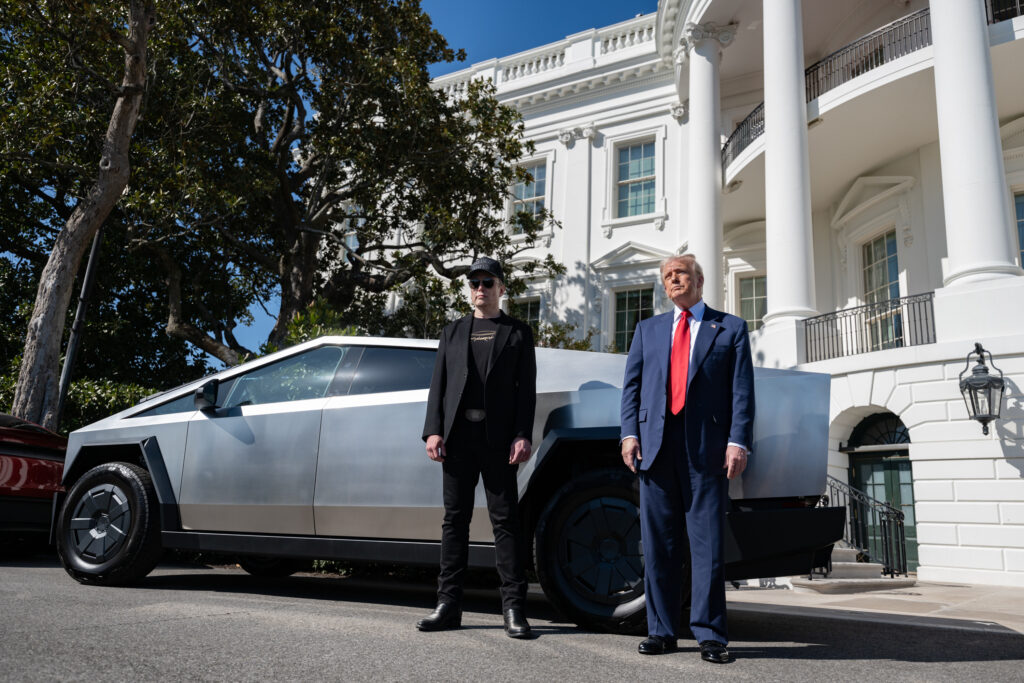
It also served as a technology showcase. Features such as steer-by-wire (on higher trims), a large structural battery pack, and strong performance numbers set it apart from both traditional pickups and other electric trucks. Musk has called it the best vehicle Tesla has ever made, and many owners and fans agree that nothing else on the road looks or feels quite like it.
Why production is ending
Sales never came close to early projections. Tesla once spoke of building hundreds of thousands of Cybertrucks per year. Actual U.S. sales were far lower — roughly 39,000 in 2024 and about 20,000 in 2025, according to industry estimates.Reuters
The truck faced a high price, manufacturing complexity, recalls, and limited appeal outside a dedicated niche. At the same time, Tesla has been shifting focus toward autonomy and robotics. Ending Cybertruck production frees capacity for the Cybercab, which Musk has positioned as central to the company’s future.
Long-term value implications
Discontinued vehicles with strong visual identity and cultural impact sometimes become collectible. The Cybertruck’s extreme styling, limited production window, and association with a specific moment in Tesla’s history could support residual values for well-kept examples, especially early or special versions.
However, several factors work against strong collector demand:
- Relatively high production numbers compared with true low-volume exotics
- Ongoing questions about long-term durability of the stainless body and complex systems
- Tesla’s rapid pace of technology change, which can make older vehicles feel outdated quickly
Well-maintained, low-mileage trucks in desirable configurations may hold value better than average, but widespread appreciation is far from guaranteed.
Impact on the future of vehicles
The Cybertruck’s biggest legacy may be cultural and directional rather than commercial. It pushed the boundaries of what a pickup truck could look like and demonstrated that a radical design could still reach production. It also highlighted the difficulty of scaling unconventional vehicles.
More importantly, its wind-down underscores Tesla’s broader pivot. Factory space once dedicated to a bold consumer pickup is being redirected toward autonomous robotaxis. That shift reflects a larger industry question: how much of the future belongs to personally owned vehicles versus shared, self-driving ones.
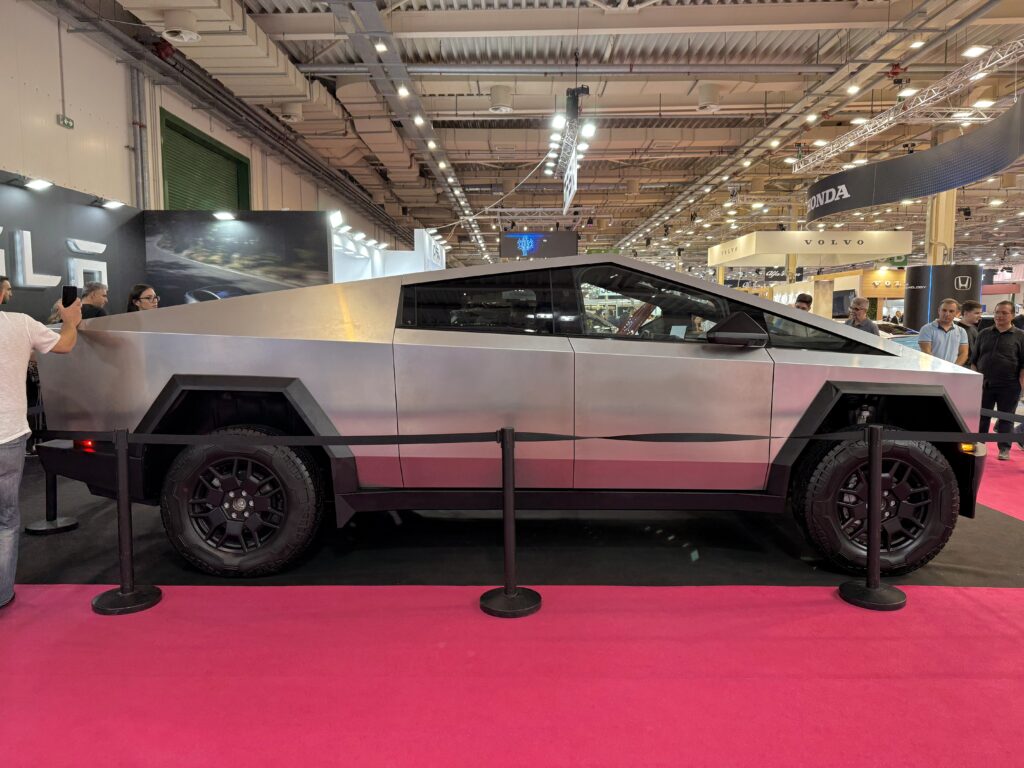
Whether the Cybertruck is remembered as a bold success, a fascinating miss, or something in between, it forced conversations about design, materials, and the direction of transportation. Those conversations will continue long after the last truck leaves the Texas factory.