
Classic cars are more than old vehicles. They represent design eras, engineering choices, and cultural moments that still resonate decades later. From American muscle to European sports cars and Japanese icons, these machines continue to attract new enthusiasts and serious collectors.
What defines a classic
There’s no single rule, but most people consider a car a classic once it reaches roughly 20–25 years of age and has lasting appeal. Some earn the title earlier because of rarity, racing history, or distinctive design. Others become classics simply because they were everywhere in their time and now trigger strong nostalgia.
The best examples combine recognizable styling, engaging driving character, and a story. A well-preserved or thoughtfully restored classic often feels more special than many new cars precisely because it isn’t trying to be everything at once.
Why interest remains strong
Several factors keep classic cars relevant:
- Design — Many older cars have proportions and details that modern safety and efficiency rules make difficult to repeat.
- Driving experience — Lighter weight, manual transmissions, and more direct feedback appeal to people who enjoy being involved in the drive.
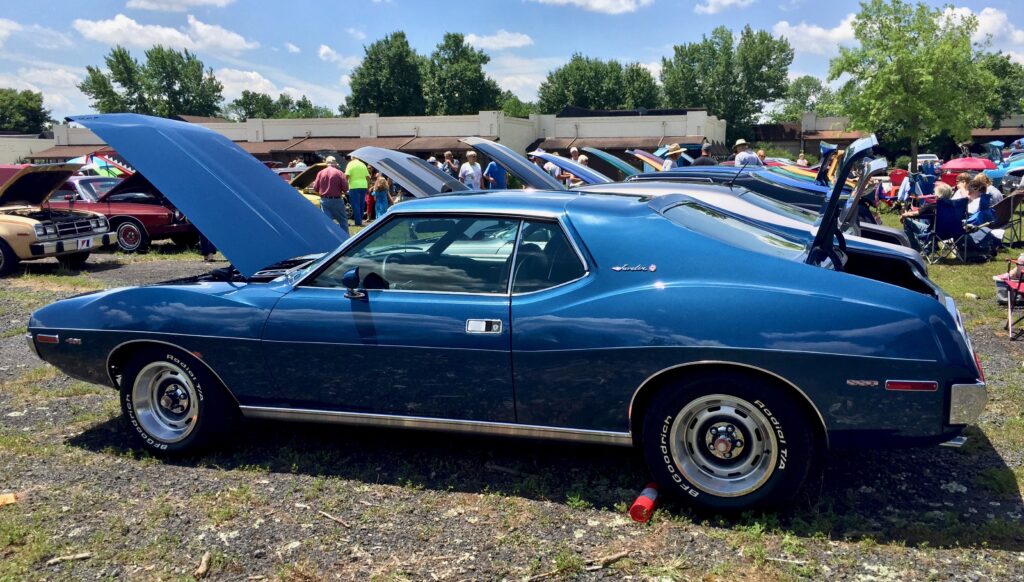
- Community — Car shows, rallies, online groups, and local meets create ongoing social connections around these vehicles.
- Investment angle — While not every classic appreciates, certain models have shown strong long-term value when maintained properly.
At the same time, ownership isn’t always simple. Parts availability, rust, outdated safety, and higher maintenance needs are real considerations. The cars that tend to hold up best are those with active owner communities and reasonable parts support.
The future of classics
Electric conversions, restomods, and modern reproductions are expanding what “classic” can mean. Some purists prefer originality; others enjoy updated reliability and performance while keeping the original look. Both approaches are growing.
Younger buyers are also entering the market, often drawn to 1980s and 1990s cars that were common in their childhood or in popular media. This shift is gradually broadening which vehicles are considered desirable.
Closing thought
Classic cars endure because they connect people to specific times, places, and feelings in a way few other objects do. Whether someone is restoring a family car, hunting for a weekend driver, or simply appreciating the design, these vehicles continue to earn their place.
Vehicle Aura will keep covering iconic models, market trends, restorations, and the stories behind the machines that defined their eras.